WHO VR
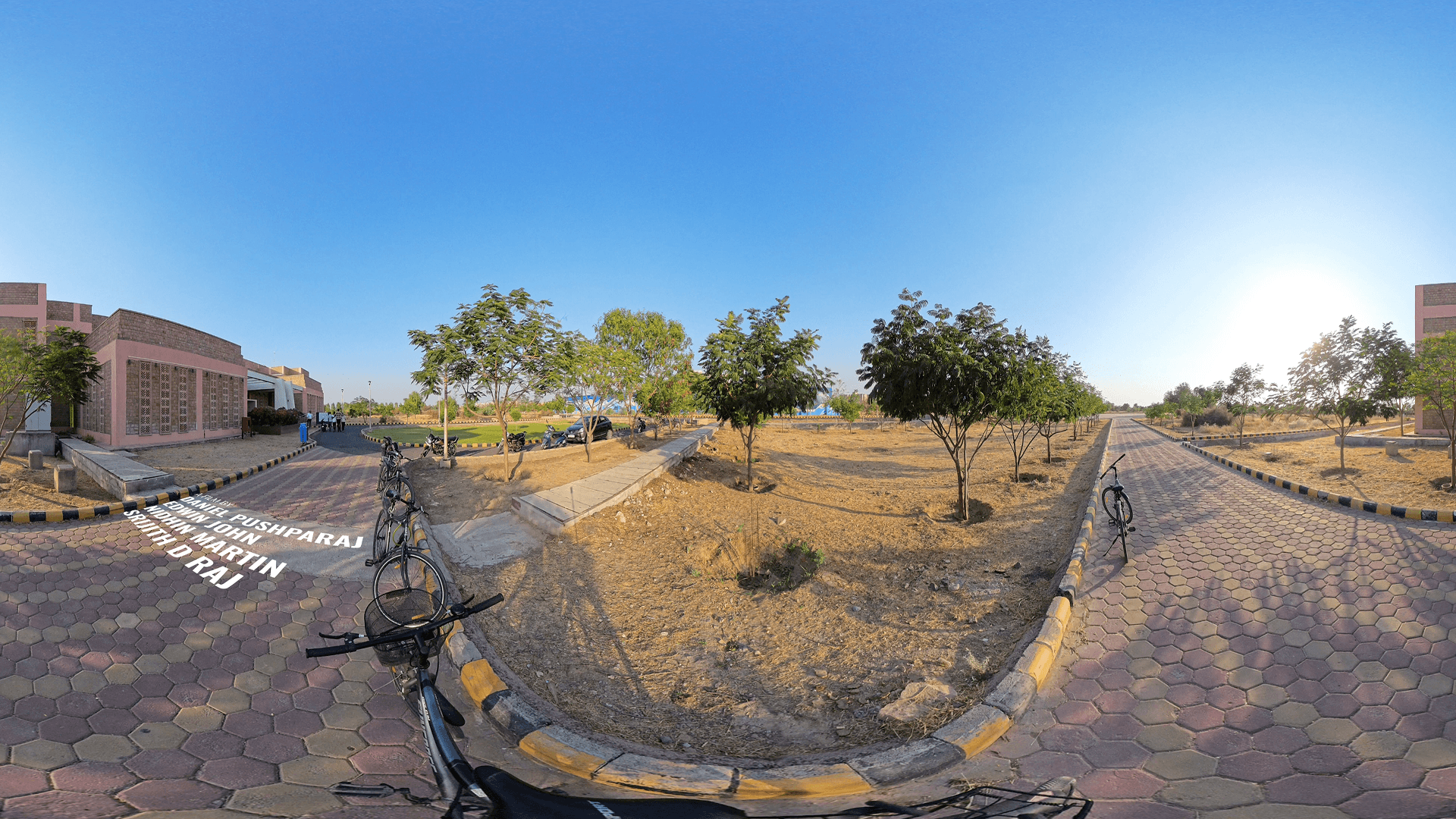
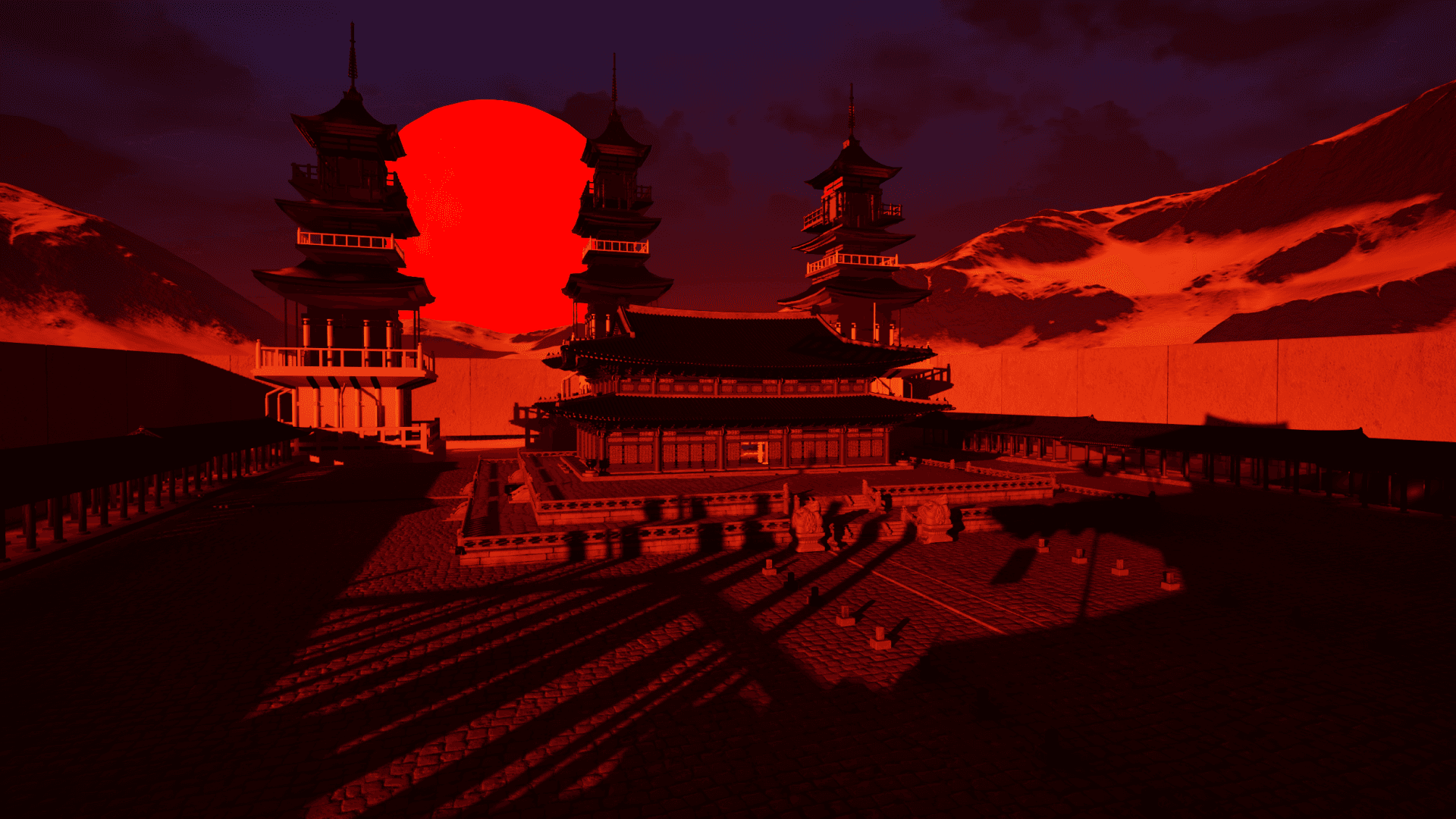
An Immersive Virtual Reality 360° Short Film
00
problem
To shape the film’s narrative flow, we began by mapping out each core theme and emotional beat, then organized the sequences to reflect the protagonist’s evolving journey from isolation to self-acceptance. By breaking down the story into distinct threads—interviews, cycling, play, music, group scenes, swimming, and doomscrolling—we ensured that each segment contributes to the overarching questions of belonging and individuality. This structured timeline allowed us to interweave moments of introspection and action, creating a cohesive and engaging progression for the film
This project aimed to explore the 360-degree film medium, where we reversed the usual process—starting not with story, but with experiments suited to our skills and time constraints. We observed that most VR narratives rely on minimal editing, often using single-shot formats. Inspired by Lev Kuleshov’s theory on the power of montage, we set out to experiment with editing in 360. Montage is one of the basic tools of cinema. According to him, it was not the content of the images in a film which is important but their combination. We brainstormed techniques like match cuts, dolly zooms, time-lapse, and reverse motion, then narrowed the list to what was feasible. The story was then built around these selected effects, making editing the creative core of our VR narrative.
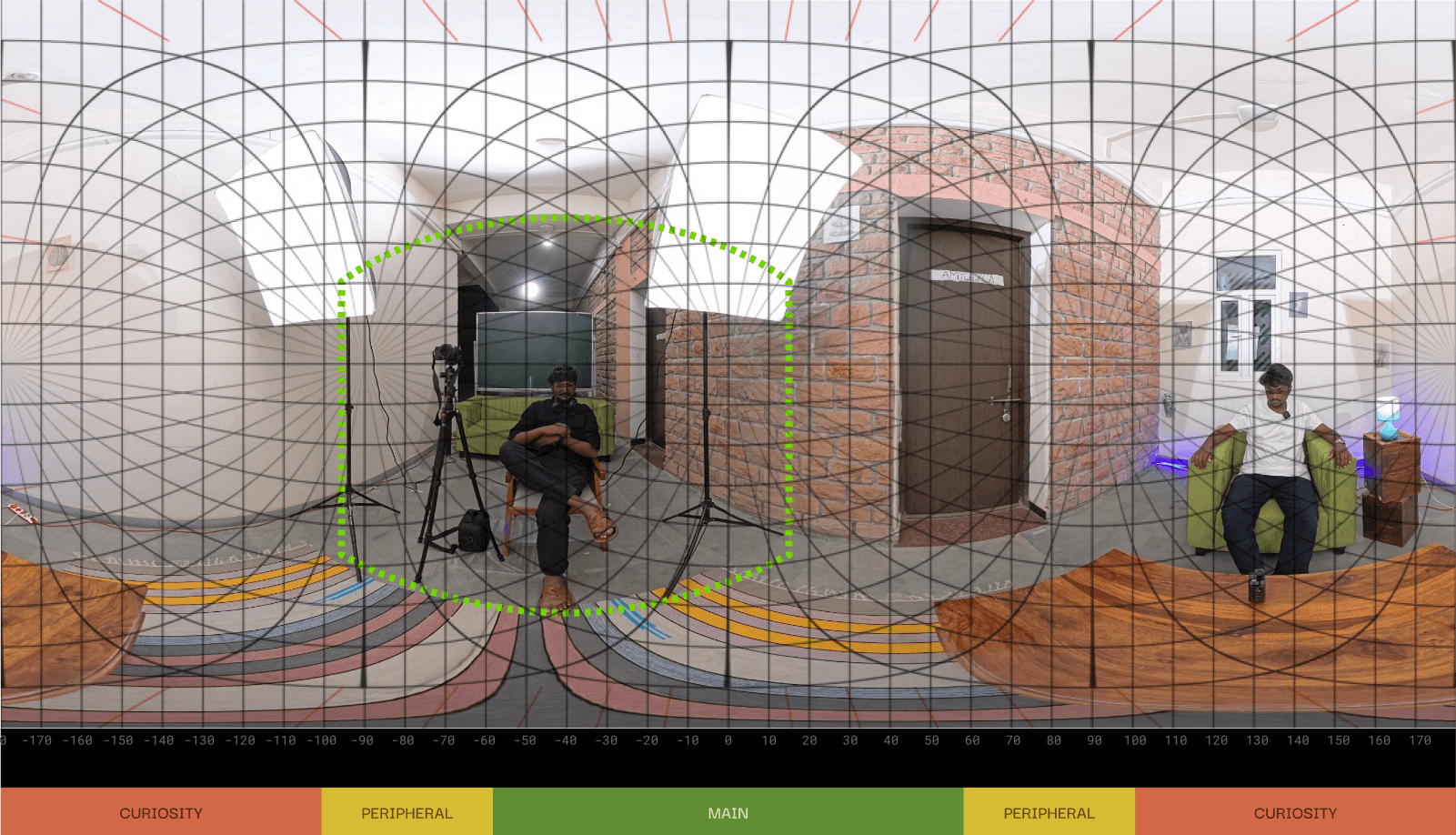
The team had diverse story ideas, but after several rounds of discussion, we narrowed it down to two main concepts.The comedy story was a meta-narrative about friends making a short film, with one side of the environment visualizing their ideas. The philosophical story focused on a solitary character, using monologues and montages to explore loneliness.We ultimately chose the philosophical concept, as it gave us more freedom to experiment with visual effects and edits—key elements that drove our creative process and aligned with our vision for the film.
year
2025
timeframe
15 days
tools
Premier Pro | After Effects | Reaper | Photoshop
category
XR Design